
© 2017-2026 Shangbaotai Machine Technology (Kunshan) Co., Ltd. All rights reserved. Site Map

A useful instant noodle production line quotation starts with a defined product and project scope. If a buyer sends only a target output, suppliers may make different assumptions about the noodle cake, process route, packaging, utilities, installation, and acceptance work. The resulting quotations may look similar while describing very different projects.
This guide explains the seven inputs that procurement, engineering, operations, and finance should prepare before requesting a quotation. It also provides a simple cost-layer table to help buyers separate the machinery scope from the wider investment required to operate a factory.
The phrase “instant noodle production line” does not define a standard supply boundary. It may refer to a process section from mixing to cooling, a line with primary packaging, or a wider project that also includes utilities, installation, commissioning, and training. Capacity can also be stated on different bases, such as nominal machine speed, mass throughput, or saleable packs after normal production losses.
A quotation becomes comparable only when each supplier responds to the same product brief and responsibility matrix. Before reviewing the commercial offer, confirm the first and last included machines, the output assumptions, packaging scope, utility connection points, site responsibilities, acceptance method, optional items, and exclusions.
Shangbaotai publishes reference configurations for its instant noodle production line, including product and packing options. These references help buyers prepare questions, but the selected equipment must still be confirmed in a project-specific proposal.
The machinery should be selected around the product, not around the general word “noodles.” Prepare a product brief that identifies the cake shape, unit weight, strand dimensions, process route, target rehydration performance, seasoning format, and final package.
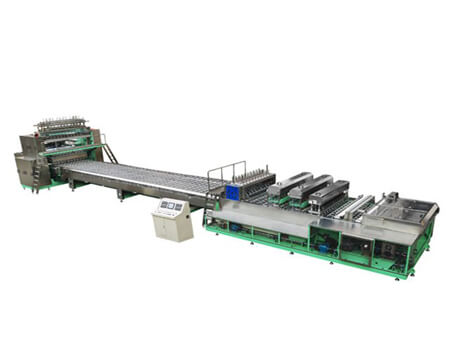
Shangbaotai customized bowl and cup noodles sealing packing machine. The selected pack format affects forming, conveying, filling, sealing, and downstream handling.
Shangbaotai shows rectangular folded, rectangular random-strand, and round noodle cakes. These formats can change forming, retainers, conveying, seasoning placement, and packing interfaces. If the line must make several products, list every required cake shape and weight, plus the planned changeover frequency.
Fried, non-fried, or another validated process route
Cake shape, nominal weight, and acceptable variation
Strand width, thickness, and wave profile
Bag, cup, bowl, multipack, or bulk format
Seasoning sachet, oil sachet, vegetables, or other inserts
Destination market and packaging requirements
Capacity should reflect good finished products, not only mechanical speed. Start with the sales forecast, then account for planned shifts, operating days, sanitation, changeovers, maintenance, and expected production efficiency. State the required output in both packs per unit of time and mass throughput at the nominated cake weight.
This prevents a hidden mismatch between the process line and the packing room. A forming or frying section can meet its nominal rate while the packaging equipment becomes the actual bottleneck. Ask the supplier to show the assumptions used for lane count, cake dimensions, line speed, and downstream accumulation.
Fried and non-fried noodles can share upstream stages such as mixing, sheeting, cutting, and steaming, but the dehydration section is different. A fried product needs frying and oil-management equipment. A non-fried product needs a suitable drying process with the required residence time, airflow, temperature control, and product-development validation.
The decision affects line length, utilities, ventilation, fire and oil-handling provisions, cleaning routines, building layout, and operating skills. If the product route is still under evaluation, request a concept comparison before asking for a final quotation. Provide the target texture, rehydration behavior, nutrition positioning, package, and expected volume so the supplier can identify what must be tested.
“Complete line” has no universal commercial definition. Build a responsibility matrix that covers the process from raw-material receiving to finished cases. Mark each item as included by the line supplier, supplied by another vendor, or provided by the buyer.
The review may include flour handling, brine preparation, mixing, resting, sheeting, slitting, steaming, forming, frying or drying, cooling, seasoning, primary packaging, coding, checkweighing, metal detection, cartoning, pallet handling, utilities, laboratory equipment, and waste treatment.
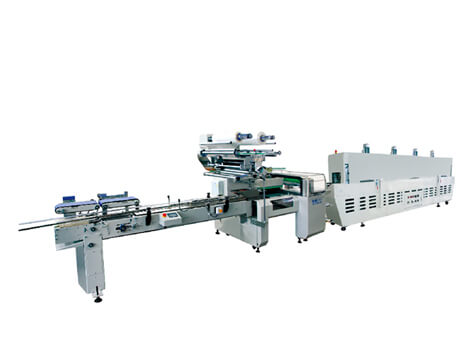
Shangbaotai noodle packaging machine. Confirm whether the primary packer and its connecting conveyors are included in the quotation.
Packaging needs a clear interface schedule. Confirm who supplies the packer, cup dropper, lid sealer, seasoning dispenser, date coder, inspection equipment, case packer, and connecting conveyors. Shangbaotai's noodle packaging machine page can be used to review available packing categories before the scope is finalized.
Give the supplier more than a voltage value. A useful utility sheet covers electrical supply, available transformer capacity, steam pressure and quality, water, compressed air, fuel options, drainage, ventilation, and ambient conditions. Request both connected load and expected operating demand, along with connection sizes and quality requirements.
Also state the destination country and applicable electrical, guarding, food-contact, documentation, and inspection requirements. Do not assume that a general certificate applies to the proposed line. The supplier should identify which documents and equipment are covered in the offer.
A floor area alone is not enough. Send a dimensioned plan showing columns, doors, dock positions, ceiling height, floor levels, drains, utility corridors, hygiene zones, warehouse access, and the preferred movement of materials and people. For a new facility, request a preliminary equipment layout before the building design is fixed.
Restricted openings, split rooms, platforms, structural obstacles, and existing production interfaces can add conveyors, access structures, and site work. Reserve space for cleaning, maintenance withdrawal, spare rolls or molds, safe operator access, and future expansion. For an existing factory, include photographs, elevations, current control interfaces, and the available shutdown window.
Ask the supplier to separate base machinery, optional equipment, export packing, freight basis, installation supervision, commissioning, training, acceptance testing, spare parts, and buyer responsibilities. The offer should also state the proposed schedule, drawing approvals, warranty basis, service route, exclusions, and required site readiness.
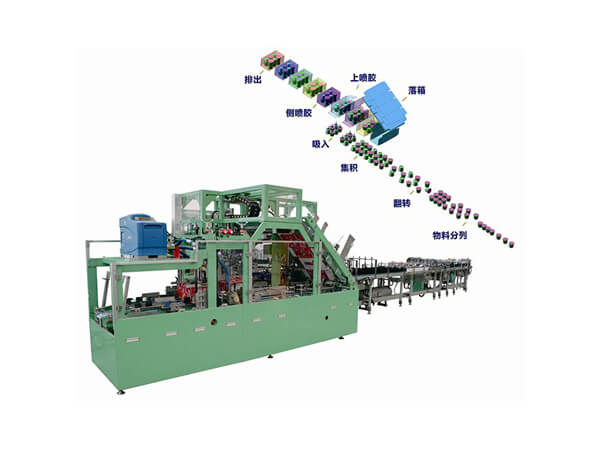
Shangbaotai high-speed automatic carton packing machine. Downstream cartoning should be explicitly included or excluded in the commercial scope.
Define factory and site acceptance before purchase. State the test product, run conditions, performance measures, ingredient and packaging responsibilities, utility conditions, training scope, and method for closing open items. This turns acceptance from a general promise into a reviewable project requirement.
Finance teams can normalize quotations by separating the project into cost layers. The table below shows common items and whether they are normally part of a machinery quotation. Every item still needs confirmation in the supplier's commercial proposal.
| Cost layer | Typical items | Usually included in machinery quote? |
|---|---|---|
| Process equipment | Mixing to cooling | Confirm |
| Packaging | Primary pack to cartoning | Often separate |
| Utilities | Boiler, air, water, ventilation | Usually separate |
| Site work | Foundation, platform, hygiene work | Usually buyer scope |
| Service | Installation, FAT/SAT, training | Depends on commercial basis |
This structure helps prevent the machinery offer from being mistaken for the full investment needed to run the factory. It also exposes differences between suppliers before the team compares commercial terms.
Requesting the largest line without validating demand and operating hours
Comparing outputs based on different cake weights or efficiency assumptions
Using “complete line” without an inclusion and responsibility matrix
Leaving packaging, seasoning, inspection, and cartoning undefined
Providing no steam, ventilation, drainage, or building information
Asking for final terms before the product and acceptance basis are agreed
A credible quotation should be traceable to the buyer's product, site, and delivery inputs. When an assumption remains open, it should be shown clearly rather than hidden inside the offer.
You can begin a discussion, but the supplier will need assumptions for cake weight, shape, process type, packaging, utilities, destination, and supply boundary. Provide these inputs before using the quotation for comparison or approval.
Not automatically. Define turnkey through an inclusion, exclusion, and responsibility matrix covering process equipment, packaging, utilities, civil work, installation, testing, documentation, and permits.
Use both. Pack rate helps align forming and packaging, while mass throughput makes cake-weight assumptions visible. State whether the figure represents nominal machine output or expected saleable production.
It depends on the project. Ask for a separate packaging schedule covering primary packs, seasoning insertion, coding, inspection, cartoning, and pallet handling.
Provide the destination country, electrical supply, steam and fuel availability, water, compressed air, ambient conditions, a dimensioned layout, ceiling height, access restrictions, drains, and hygiene zones.
Some upstream equipment may serve both products, but forming, handling, seasoning, accumulation, and packing interfaces must be reviewed. Submit all required formats and the expected changeover target.
Define the test product, operating conditions, run duration, good-output calculation, cake-weight tolerance, quality checks, utility conditions, packaging availability, training requirements, and method for closing open items.
Send the noodle type and shape, unit weight, process route, required output, packaging format, destination country, utilities, available layout, scope boundary, and target schedule. You can then contact Shangbaotai for a project-specific discussion.
Combine the product, capacity, process, equipment boundary, utilities, layout, and service terms into one RFQ package. Attach pack samples or drawings and a site plan when available. A complete input package helps the supplier propose a defensible configuration and gives the buyer a consistent basis for technical and commercial comparison.
